cloud based nms
Cloud Based NMS: A Modern Approach to Network Management

Cloud-Based NMS: A Modern Approach to Network Management A network management system (NMS) helps organizations monitor, configure, and troubleshoot the devices and services that keep their networks running. A cloud-based NMS delivers these capabilities through a platform hosted in the cloud, rather than relying entirely on management software installed and maintained on local servers. As […]

Read More →
snmp nms software
SNMP NMS Software: A Practical Guide to Network Monitoring

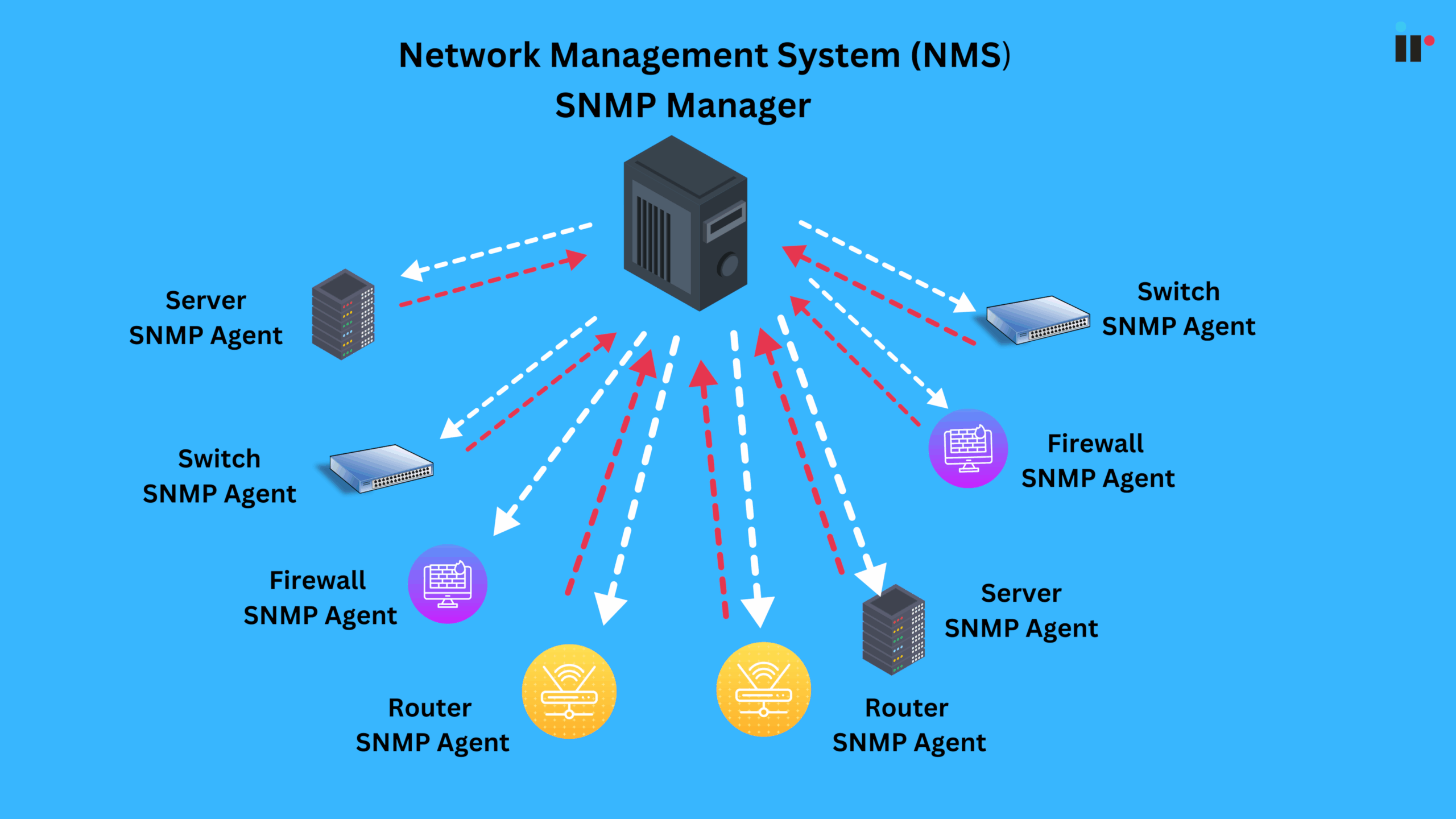
SNMP NMS Software: A Practical Guide to Network Monitoring SNMP NMS software helps IT teams monitor and manage network devices from a central location. By collecting information from routers, switches, servers, printers, access points, and other equipment, a network management system (NMS) can show what is happening across an organization’s infrastructure and alert staff when […]

Read More →
cifs protocol
CIFS Protocol: How Network File Sharing Works

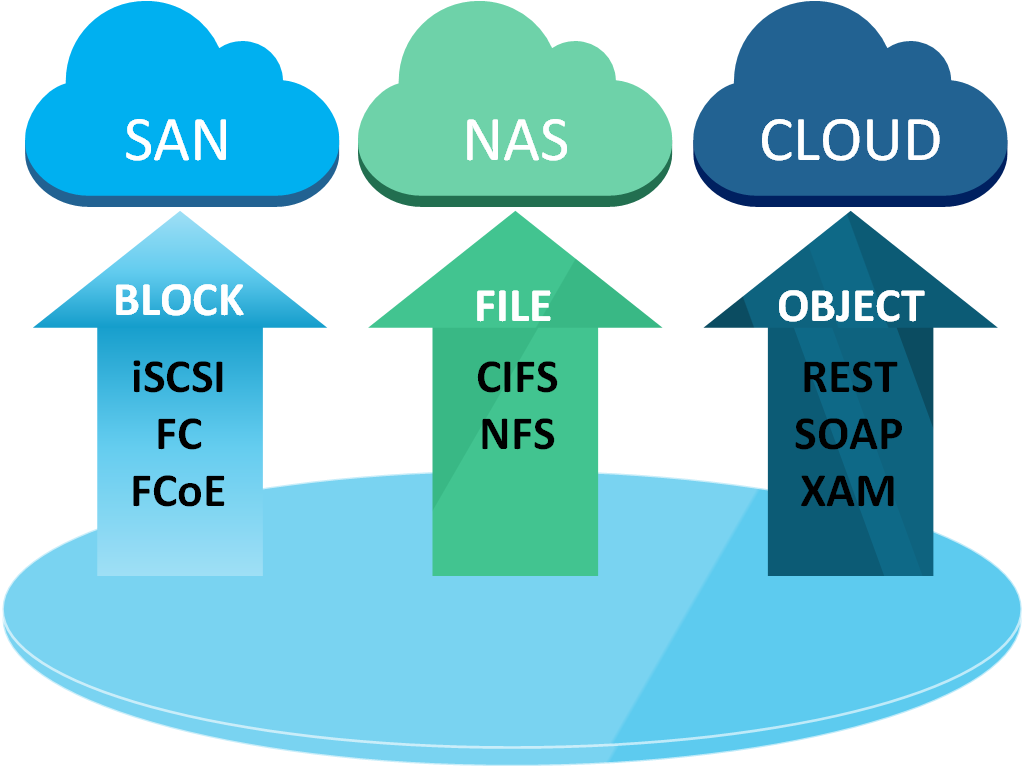
CIFS Protocol: What It Is and How It Works The Common Internet File System (CIFS) is a network protocol for sharing files, folders, printers, and other resources between computers. It allows a device to access files stored on another system as though they were available locally. CIFS is most closely associated with Microsoft Windows file […]

Read More →
network sites
Network Sites: How They Connect People, Information, and Technology

Network Sites: Connecting People, Information, and Technology Network sites help people, organizations, and devices connect and share information. The term can describe online platforms that bring people together, as well as locations or services linked through a computer network. In both cases, the central idea is connection: making it easier to communicate, collaborate, and access […]

Read More →
virtual network
Virtual Network: How It Works, Benefits, and Security Considerations

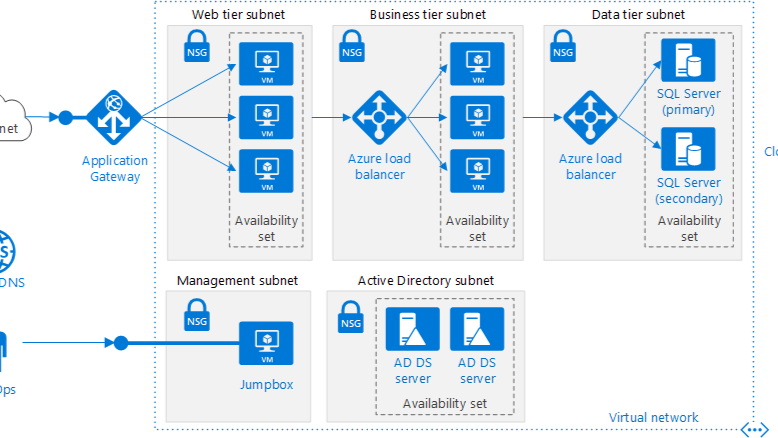
Virtual Networks: A Practical Guide A virtual network is a software-defined connection between devices, applications, or computing resources. Rather than relying only on physical cables and hardware to determine how traffic moves, a virtual network uses software and configuration rules to create logical connections over existing infrastructure. Virtual networks are widely used in cloud computing, […]

Read More →
hardware vpn device
How to Choose the Right Hardware VPN Device for Your Network

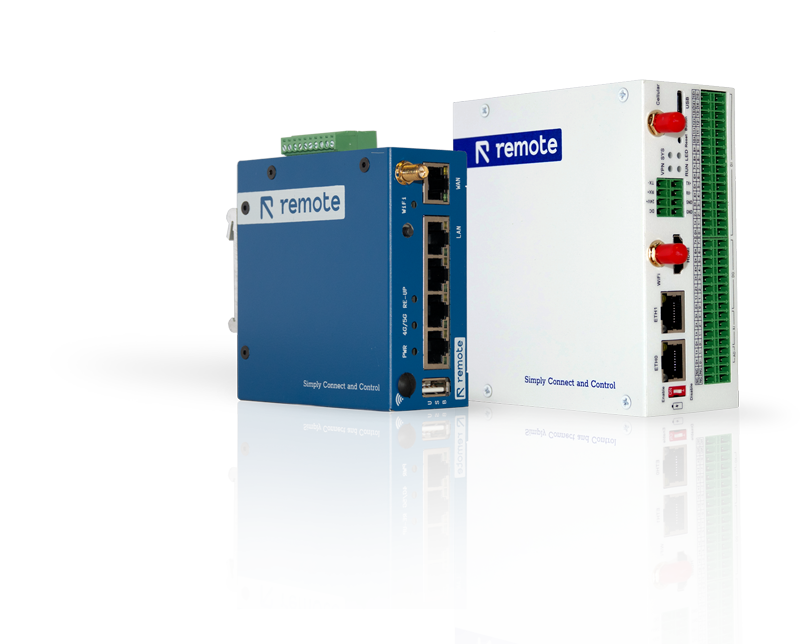
Hardware VPN Devices: What They Are and How to Choose One A hardware VPN device is a physical appliance that creates and manages encrypted virtual private network (VPN) connections. It can connect an office network to another location, provide secure remote access for employees, or route a home network’s traffic through a VPN service. Unlike […]

Read More →
l2tp ipsec vpn
L2TP IPsec VPN: How It Works, Benefits, and Limitations

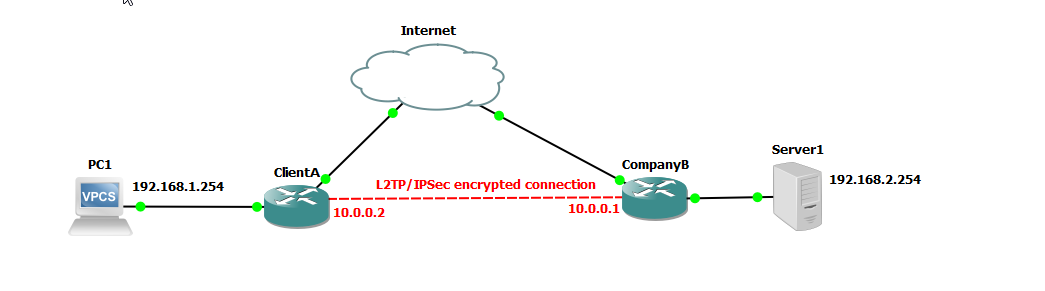
L2TP/IPsec VPN: How It Works, Benefits, and Limitations L2TP/IPsec is a virtual private network (VPN) technology that combines two protocols: Layer 2 Tunneling Protocol (L2TP) and Internet Protocol Security (IPsec). L2TP creates a tunnel for network traffic, while IPsec provides encryption and authentication. The combination has been widely supported by computers, mobile devices, and network […]

Read More →
the vpn
The VPN: How It Works and When to Use It

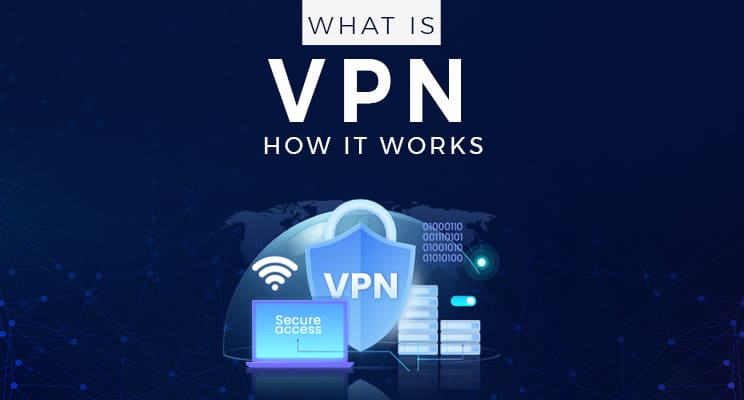
What Is a VPN and How Does It Work? A virtual private network, or VPN, creates an encrypted connection between your device and a VPN server. When you use one, your internet traffic travels through that connection before reaching its destination. VPNs are commonly used to protect data on public Wi-Fi, connect to workplace networks, […]

Read More →